Know your rights

Rent increases: what the rules say

How often your rent can go up, the notice your landlord must give on Form 4A, and how to challenge a rise at tribunal if you think it's too high.

3 min readShared on
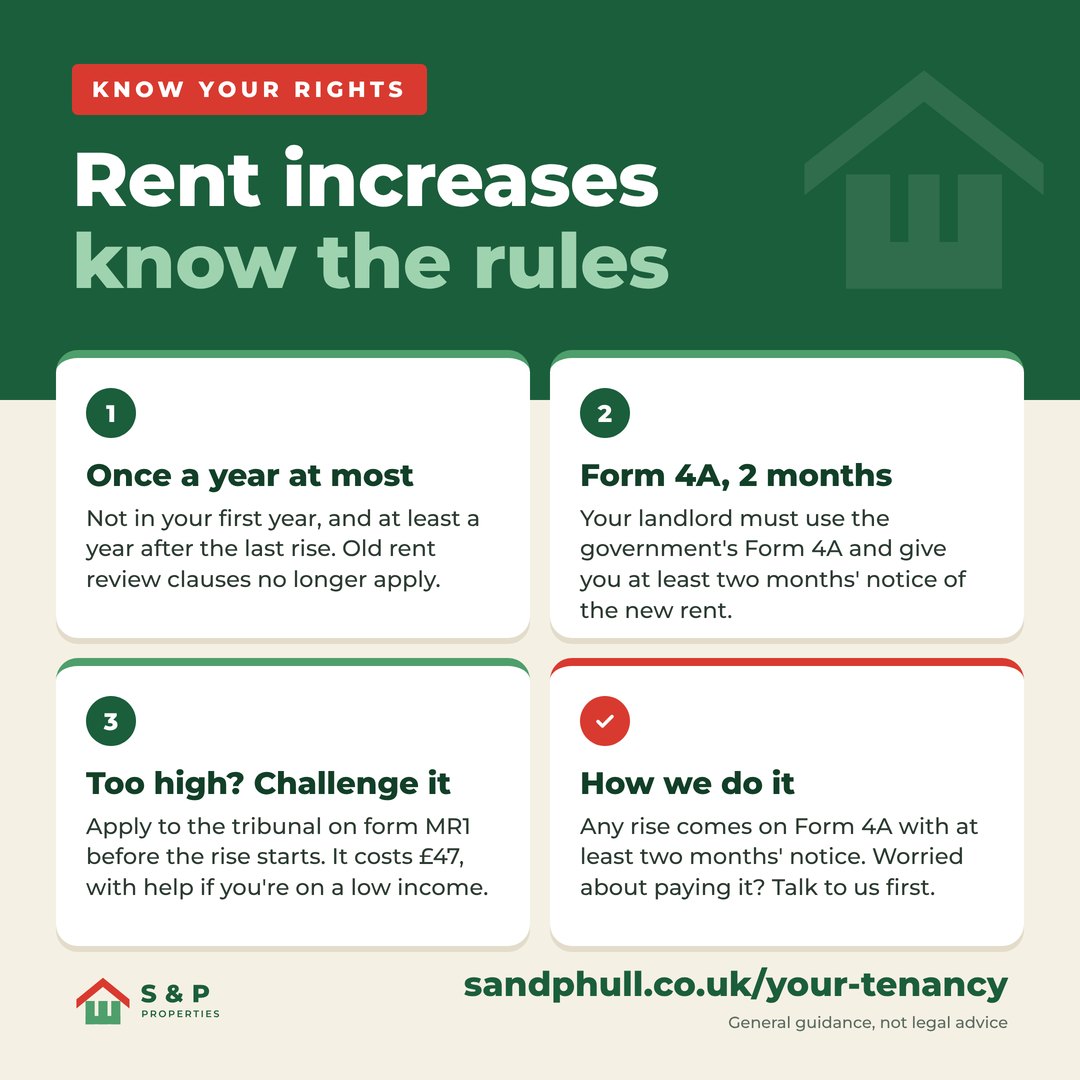
Infographic: Rent increases, know the rules. 1, once a year at most: not in your first year, and at least a year after the last rise; old rent review clauses no longer apply. 2, Form 4A, 2 months: your landlord must use the government's Form 4A and give you at least two months' notice of the new rent. 3, too high? Challenge it: apply to the tribunal on form MR1 before the rise starts; it costs £47, with help if you're on a low income. How we do it: any rise comes on Form 4A with at least two months' notice. Worried about paying it? Talk to us first.
Our Know your rights cardGeneral guidance, not legal advice

Since 1 May 2026, the Renters' Rights Act has changed how and when a private landlord in England can put the rent up. If you've had a letter about a rent rise, or you're worried one is coming, here's what the rules say and what you can do.

The three rules to know

  1. Once a year at mostRent can't go up in the first year of your tenancy, and each rise must start at least a year after the last one. Rent review clauses in older tenancy agreements no longer apply.
  2. Form 4A, with two months' noticeYour landlord must use the government's Section 13 notice (Form 4A) and give you at least two months' notice before the new rent starts.
  3. Too high? You can challenge itAsk the First-tier Tribunal to decide the rent, using form MR1 or the online service. Your application must reach the tribunal before the new rent starts. The fee is £47, and you may get help with it on a low income.
  4. How we do itAny rise comes on Form 4A with at least two months' notice. If you're worried about paying it, talk to us first.

If you get a rent increase notice

  • Check the notice. It should be on Form 4A, give at least two months' notice, and start the new rent at least a year after your last rise (or after your tenancy began). If it doesn't, the rent can't go up on that notice.
  • Talk to your landlord. You may be able to agree a smaller rise or a later date. Get anything you agree in writing.
  • Compare local rents. Look at what similar homes nearby are let for. The tribunal decides what the home would let for on the open market.
  • Don't leave it late. If you want to challenge the rise, your application has to reach the tribunal before the new rent is due to start.

What the tribunal can decide

The tribunal can keep the rent the same as your landlord proposed or set it lower, but it can't set it higher. If it decides after the start date on the notice, the new rent starts from the next rent day after its decision, so it isn't backdated. Your landlord can't end your tenancy because you challenged a rent rise.

Free, independent help is available from Citizens Advice and Shelter. You'll find their guides, and GOV.UK's, in the help and advice links in our tenancy guide.

The full guideYour tenancy: paying rent, rent rises and feessandphull.co.uk/your-tenancy/#paying-rent

As shared on our socials

Follow us on X and LinkedIn for plain-English guides for Hull tenants, letting-law updates and news from S & P, every week.

S & P Properties@sandphull
Rent can now go up only once a year, on Form 4A with at least 2 months' notice. Think a rise is too high? You can challenge it at tribunal 👇 sandphull.co.uk/noticeboard/rent-increases-explained-hull #Hull #KnowYourRights
S & P PropertiesProperty management · Hull
Since 1 May 2026, the rules on rent increases have changed for private renters in England. If a rent rise lands on your doormat, here's what to check. • Rent can go up only once a year, and not in the first year of your tenancy. • Your landlord must use the government's Form 4A and give you at least two months' notice. Old rent review clauses no longer apply. • Think it's too high? Apply to the First-tier Tribunal on form MR1 before the new rent starts. The fee is £47, with help if you're on a low income. • The tribunal can't set your rent higher than your landlord asked for. At S & P any rise comes on Form 4A with at least two months' notice, and if you're worried about paying it, we'd rather you talked to us first. Our plain-English guide: sandphull.co.uk/noticeboard/rent-increases-explained-hull #Hull #RentersRights #RentIncrease #Lettings

This post is general guidance, not legal advice. Questions? Call us on 01482 218060 or email hello@sandphull.co.uk, Monday to Friday, 9am to 5pm.
More from the noticeboard

All notices
Know your rights23 Nov
4 min read

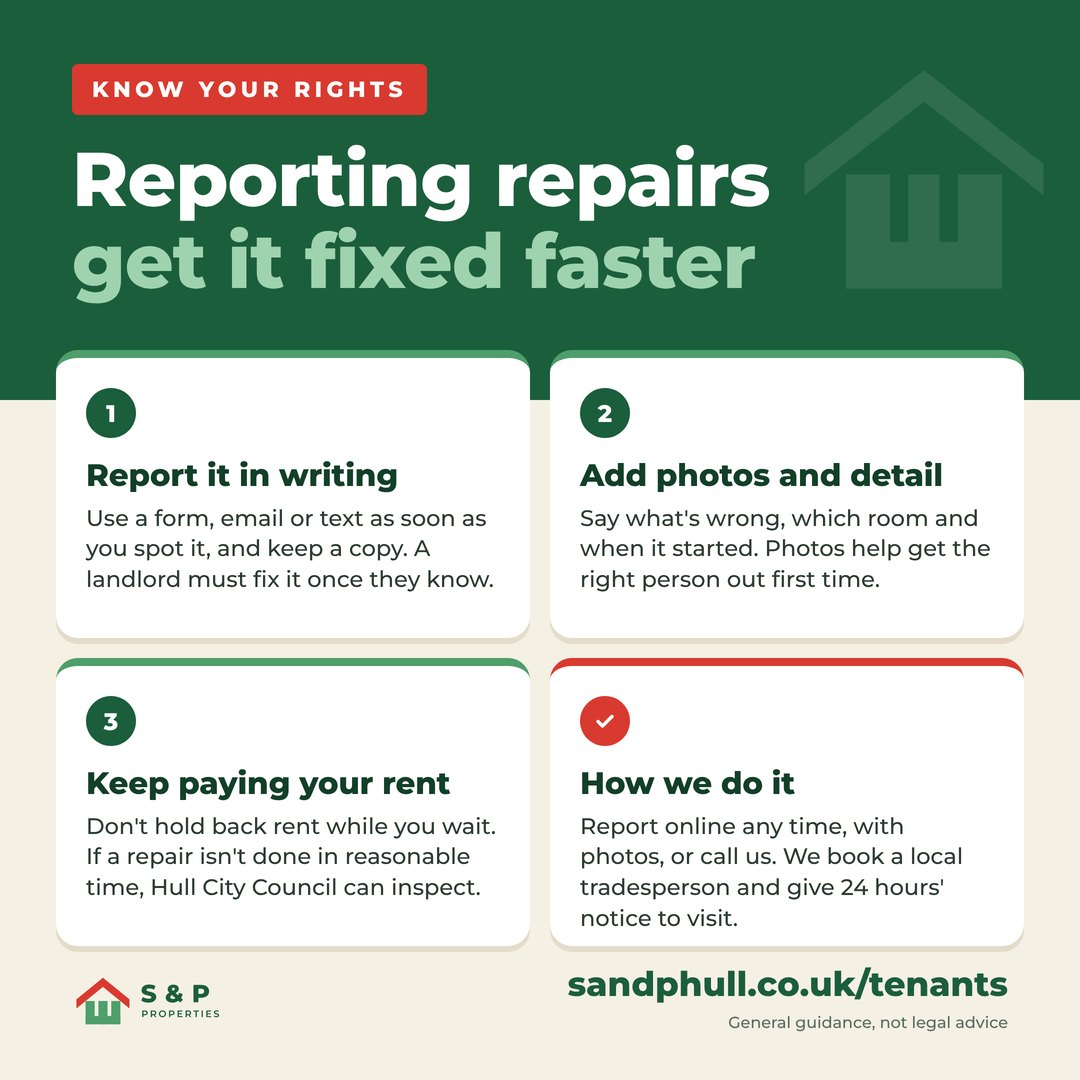
Reporting repairs: how to get things fixed

Something broken at home? How to report a repair so it gets fixed faster, what your landlord must repair, and what to do if it isn't sorted.

Read more
Know your rights19 Nov
3 min read

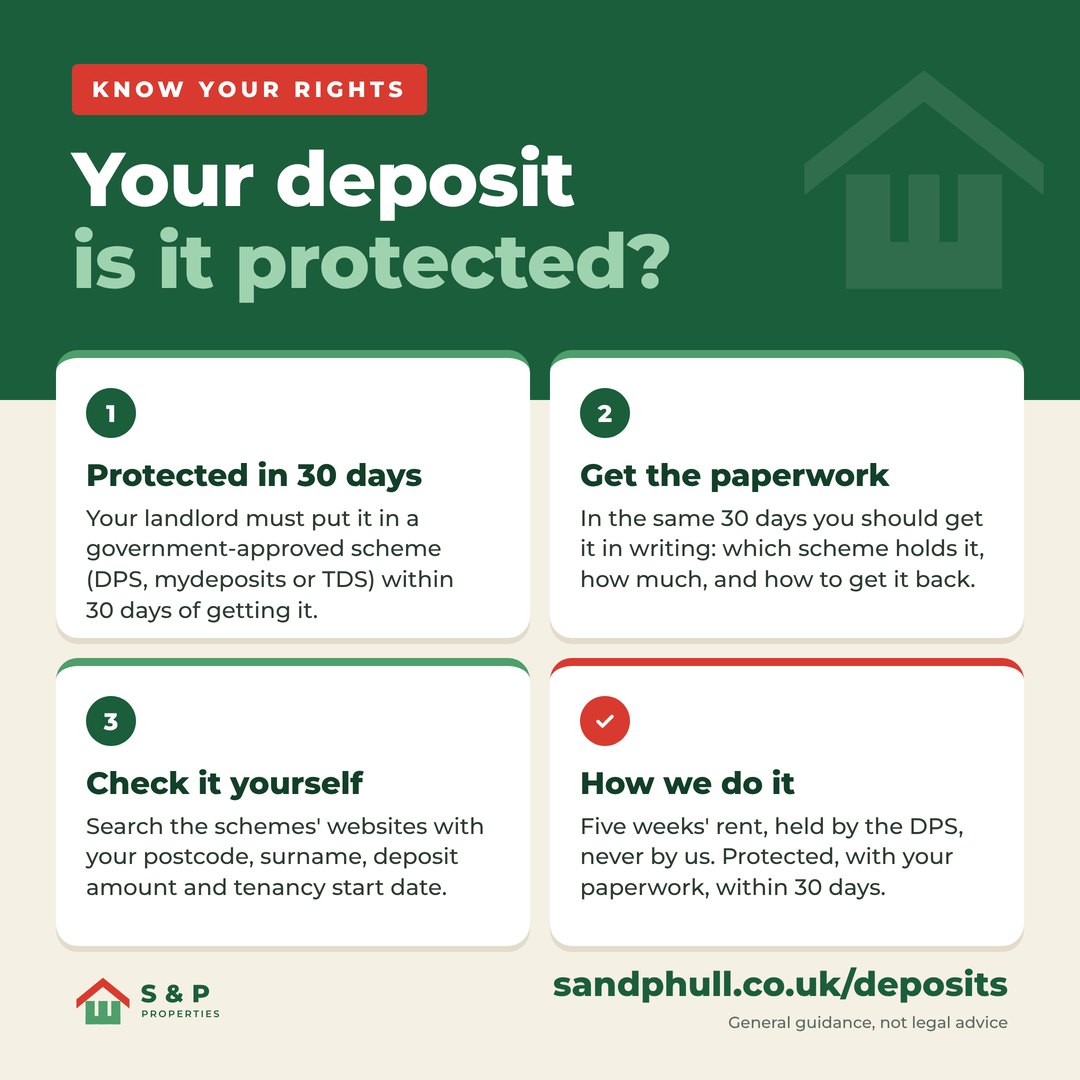
Your deposit: is it protected?

Your landlord must protect your deposit in a government-approved scheme within 30 days. What should happen, how to check yours, and what to do if it isn't.

Read more
Know your rights12 Nov
3 min read

Damp and mould: how to keep it away this winter

Simple habits that stop condensation and mould in Hull homes this winter, how to spot damp that isn't condensation, and when to tell your landlord.

Read more